The small moments that matter most
Connection · · by TwoTrue team
Listen · 5 min
Read aloud by an AI voice
Some of these are affiliate links: if you buy through them we may earn a small commission, at no cost to you.
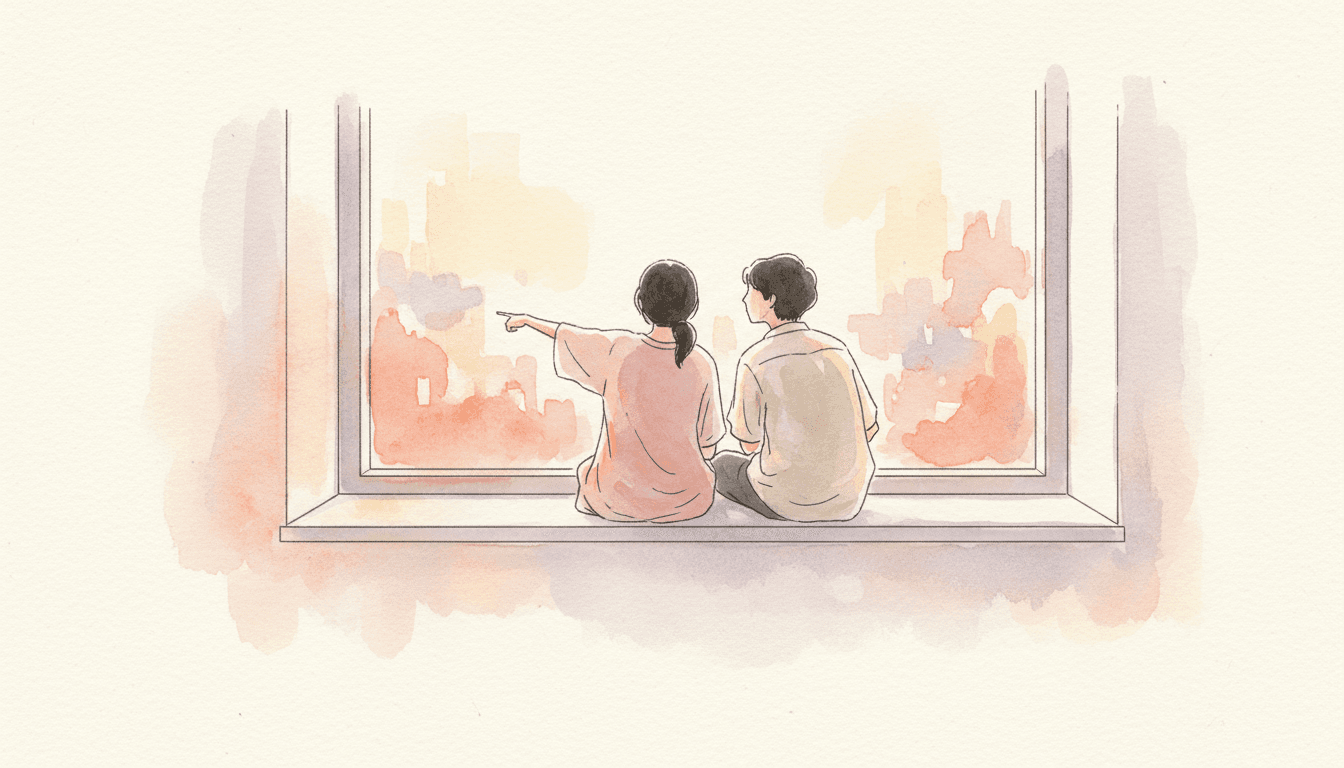
"Look at that bird."
It's such a small thing to say. Your partner is looking out the window, and they want you to look too.
What happens next — whether you look up, say "oh wow," or keep scrolling — seems too small to matter. According to one of the best-known bodies of research on relationships, it may matter more than almost anything else.
Bids for connection
Relationship researcher John Gottman calls these moments bids for connection: small attempts to get your partner's attention, interest, affection or support. A comment about the news. A sigh after a long day. A hand on your shoulder. "Guess what happened at work."
Each bid is a tiny question: Are you with me?
And each one gets one of three kinds of response. You can turn toward it — engage, even briefly. You can turn away — miss it or ignore it. Or you can turn against it — respond with irritation.
Gottman's research found that how partners respond to these everyday bids, again and again, shapes the whole relationship. Couples who stayed happily together turned toward each other's bids far more often than couples whose relationships ended.
That's a hopeful finding. It means the foundation of a strong relationship isn't built on anniversaries or vacations. It's built in the kitchen, the car, the ten minutes before bed — in moments you're already having.
Why we miss them
Most of us don't turn away on purpose. We're tired. We're distracted. The phone is right there. The bid was quiet, and we didn't recognize it as a bid at all.
Bids are often indirect. "It's been a long day" can mean please ask me about it. "Do you want to watch something?" can mean I want to be close to you tonight. The words are ordinary. The need underneath them isn't.
Knowing each other's inner world
Gottman describes another foundation called Love Maps — how well you know your partner's inner world. Their current worries and stresses. What they're hoping for. Their favorite ways to unwind. The friend they're frustrated with right now.
Love Maps aren't something you finish. People change, and a map drawn five years ago can quietly go out of date. Couples who stay close keep updating them — mostly through curiosity. Real questions, asked with interest, and actually listening to the answers.
Five ways to turn toward more often
1. Learn your partner's bids. For one week, just notice. What does your partner do or say when they want your attention? Many bids are easy to miss until you're looking for them.
2. Turn toward, even briefly. You don't need to drop everything. "Hang on, I want to hear this — give me two minutes" is still turning toward. A glance, a smile, a "really?" all count.
3. Put the phone face down for the small stuff. Many missed bids are lost to screens. Try a simple rule for the moments that matter most to you — meals, the first few minutes after someone gets home, bedtime.
4. Ask better questions. "How was your day?" invites "fine." Try "What was the best part of your day?" or "What's been on your mind lately?" and follow up on the answer.
5. Make your own bids clearer. If you want connection, say so kindly and directly. "I'd love to hear about your day — can we sit for ten minutes?" is easier to turn toward than a hopeful sigh.
Small moments, compounding
What makes this such a big opportunity is the math of it. You and your partner may exchange dozens of small bids every day. Turning toward just a few more of them, consistently, adds up — week after week, month after month — to a very different relationship.
That's the heart of how we built TwoTrue. Each day you both answer one question privately, then reveal your answers together — a small, deliberate bid, built into your routine. Over time, those answers keep your Love Maps current: what your partner needs under stress, what makes them feel loved, what they're hoping for now. And when a small experiment works for the two of you, you keep it.
No single moment will transform your relationship. But the next small one is always an opportunity.
So the next time your partner says "look at that bird" — look.
Share this post
Books to go deeper
Keep reading
Part of the guide Everyday connection: the small moments.
Growth · Oct 18, 2026
The Blind Spot Inventory: Six Questions Your Partner Could Answer About You That You Can't
We all have moves we can't see ourselves make — a tone, a timing, a look. Your partner sees them every day. Here's a gentle, structured way to ask, and to hear the answers without getting defensive.
The monthly letter
One thoughtful email a month: new posts and one question to try together. No spam, and you can unsubscribe with one click.